Who Is Tibetan Handmade Jewelry For? A Must-Have for Meditators, Culture Enthusiasts, and Niche Accessory Lovers
Rooted in the millennia-old civilization of the Himalayas, Tibetan handmade jewelry is more than just adornment—it is a fusion of faith, art, and nature. These crafted pieces, born from the wisdom of artisans, have become favorites among global niche aesthetic communities, thanks to their unique cultural charm and practical value. Below, we break down three core audiences to explain the suitable scenarios and buying tips for Tibetan jewelry.
1. Meditators & Spiritual Practitioners: Let Jewelry Be Your Mental Anchor
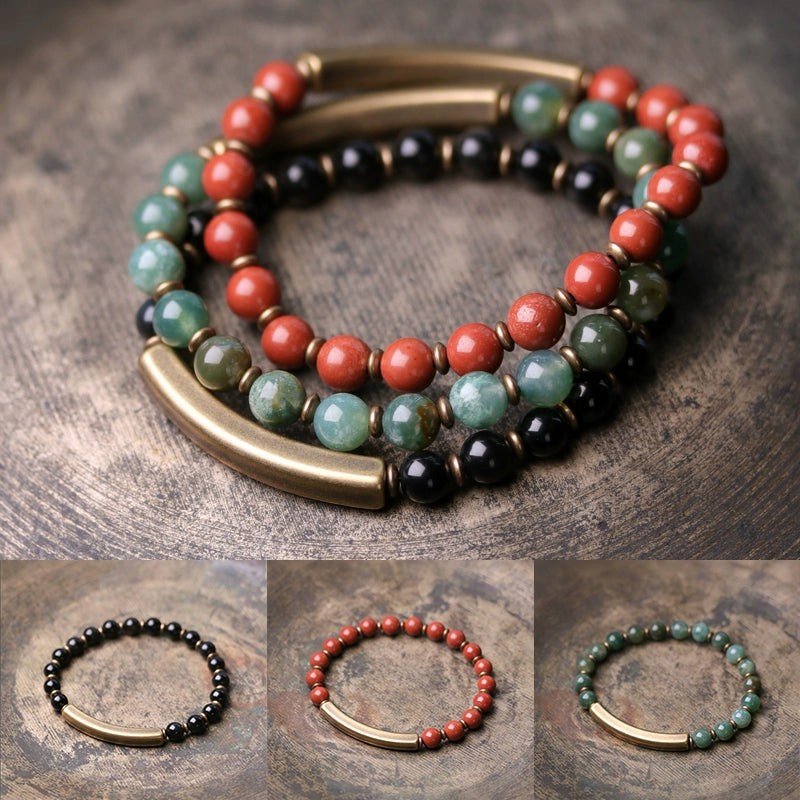
Why It Fits: The materials and designs of Tibetan jewelry inherently carry healing properties, with an energy field that helps meditators enter a state of deep focus. For example, xueba beads (traditional Tibetan Buddhist ritual beads with a history of over a thousand years) are each blessed by monks through chanting, earning them the title of “Himalayan energy stones”—they dispel negative emotions and bring inner calm.
A Potala Palace-themed bracelet combines amethyst and clear quartz: amethyst stabilizes mood, while clear quartz purifies the energy field. Together, they create a “mind-clearing filter” effect—73% of wearers report falling asleep 15 minutes faster or more.


Buying Guide for Meditators
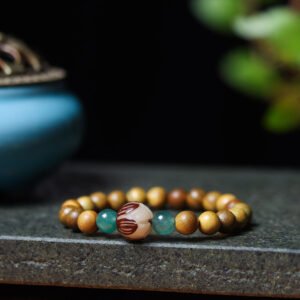
Prioritize Materials: Choose natural crystals (e.g., amethyst, clear quartz) or sandalwood—materials with spiritual properties. The 2025 new Om Mani Padme Hum (six-syllable mantra) beads use solid 925 silver craftsmanship paired with Grade A jadeite from Myanmar, further enhanced by blessings from senior monks.
Opt for Simplicity: Single-strand bracelets or plain pendants work best for meditation—avoid intricate patterns that distract. For instance, a pure silver ga-wo box (a small Tibetan amulet case) holds scriptures inside; wearing it close to your chest boosts focus.
Seek Energy Resonance: When first buying, trust your sense of touch—natural materials often feel cool and have one-of-a-kind textures (e.g., the “eye-like patterns” on dzi beads should align with natural mineral characteristics).
2. Culture Collectors: Unlock the Civilization Code of the Tibetan Plateau
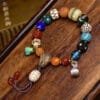
Why It Fits: Tibetan jewelry is a living carrier of nomadic culture—its materials, craftsmanship, and symbolic systems hold profound historical value. Dzi beads (agate beads from the Himalayas), for example, carry different meanings based on their “eye” count: three eyes symbolize fortune, longevity, and prosperity; nine eyes represent authority and prestige. These beads have both collection and investment value.
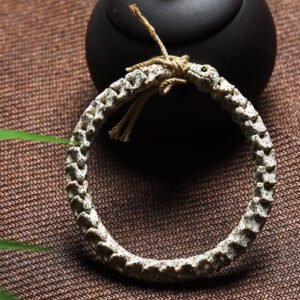
Yak bone jewelry not only reflects Tibetans’ reverence for sacred animals but also records nomadic life through its rugged carved details.
Collection Focus Points
Material Rarity: Focus on rare materials like dzi beads and red coral. Dzi beads originate from agate mines above 4,000 meters and require special etching techniques, making them scarce in the market—pure dzi beads (top-grade specimens) are highly sought after by collectors.
Craft Heritage: Choose pieces made with intangible cultural heritage (ICH) techniques, such as Tibetan silver jewelry cast via traditional lost-wax method or hand-woven coconut shell necklaces. The 2025 spring limited edition coconut shell necklace blends thangka embroidery with nine-eyed Nepalese stones; each loop takes 7 days for artisans to weave, and comes with an ICH craftsmanship certificate.
Symbol Research: Dive into the religious symbols on the jewelry, such as the “Eight Auspicious Symbols” (white conch, treasure vase, parasol, etc.) or the Buddhist meaning of Om Mani Padme Hum—this deepens the cultural value of your collection.


3. Niche Fashion Enthusiasts: Define Your Style with Jewelry
Why It Fits: The rugged aesthetics of Tibetan jewelry collide with modern design to create highly distinctive looks. For example, a yak bone necklace carved with geometric totems pairs effortlessly with a plain linen shirt for a natural, zen vibe; a Tibetan silver ring inlaid with turquoise, stacked with metal bracelets, exudes punk energy. This “clashing aesthetics” aligns perfectly with Gen Z’s desire to avoid duplicate styles—72% of young consumers say they refuse to wear accessories that others might have.
Styling Tips
Mix & Match: Combine traditional Tibetan pieces with modern elements. The 2025 trending Tibetan three-color copper ring (inlaid with gemstones) balances toughness and softness when paired with an oversized blazer; layering coral beads with a simple gold chain instantly adds depth to your outfit.
Material Contrast: Opt for mixed-media designs, such as necklaces combining stainless steel and yak horn—they blend industrial texture with natural charm. Sales of such pieces have grown 46% annually in Western markets, making them new favorites in niche fashion circles.
Accent with Details: Small accessories like Tibetan turquoise cartilage earrings suit daily commutes; larger collars or waist ornaments are perfect for music festivals or art exhibitions, creating a visual focal point.

4. Avoid These Pitfalls When Buying
Material Authentication: Watch out for synthetic imitations. Natural turquoise has uneven color and “iron veins” (dark lines), while dyed versions look overly uniform; the “eye patterns” on dzi beads should be naturally distributed—artificially painted designs have blurry edges.
Craft Certification: Prioritize products with ICH certificates or brand traceability codes. For example, the 2025 limited-edition collection from “Fan Jing Workshop” (a renowned Tibetan craft studio) comes with a unique serial number and material test report.
Cultural Respect: Avoid jewelry with taboo religious symbols (e.g., certain guardian deity images) to honor Tibetan cultural traditions. For instance, the Eight Auspicious Symbols should be presented in full—never split or used individually.
Conclusion: Let Jewelry Be a Link to Cultural Identity
From aiding energy during meditation to expressing individuality in daily outfits, Tibetan handmade jewelry is integrating into modern life with its diverse values. For those seeking spiritual connection and unique aesthetics, a carefully chosen Tibetan piece is more than an accessory—it is a bridge connecting history to the present, and the self to the world. Just like the “Museum Replica Collection” launched by London’s V&A Museum, each piece comes with a digital certificate that tells a timeless story of civilization. In an era of material excess, this kind of meaningful choice might just be the true definition of luxury.








Add comment