
As fingertips gently glide over the smooth surface of a bodhi seed, its warmth seems to traverse a millennium-long tunnel of time, infusing the heart with tranquility and depth. The prayer bead—this seemingly simple personal object—has long transcended its original religious function, evolving into a unique cultural symbol embodying Eastern wisdom and the legacy of Chinese civilization. More than a counting tool for practitioners, it represents the integrity of literati and the spiritual refuge of ordinary people. Today, let us explore the profound Zen spirit and cultural character within these tiny beads.
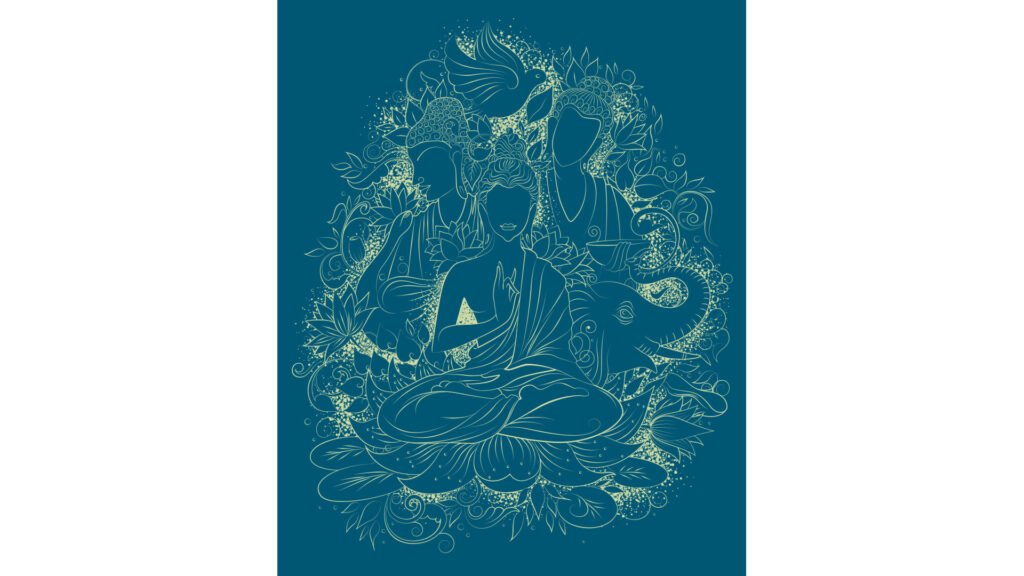
I. The Bodhi Has No Tree: Zen Enlightenment in Prayer Beads
The prayer bead, known as nianzhu in Chinese, is intrinsically linked to Buddhism’s development. “Bodhi,” meaning enlightenment or wisdom, signifies insight into life’s truths. Initially, beads aided practitioners in focusing during sutra recitation, preventing scattered thoughts. Each bead moved represents a purification of the mind. Over time, this simple act became spiritual cultivation itself.
“A mind unclouded blossoms into lotuses everywhere.”
The Zen essence of beads lies first in their reflection on and refinement of the “heart.” Amid modern life’s frenzy, anxiety and restlessness often overwhelm us. Holding a strand of beads, mindfully moving them amid chaos or stillness, redirects attention to breath and presence, restoring inner peace. This is Zen’s practicality: not seeking mystery but realizing clarity in daily life—”Where no dust clings, how could it settle?”
Take the Tang Dynasty monk Xuanzang, who journeyed westward through deserts and bandit-ridden paths. His prayer beads were more than religious support; they anchored his resolve and wisdom, enabling him to overcome perils and attain enlightenment. This epitomizes the bead’s Zen spirit: endurance in hardship, stillness in turmoil.
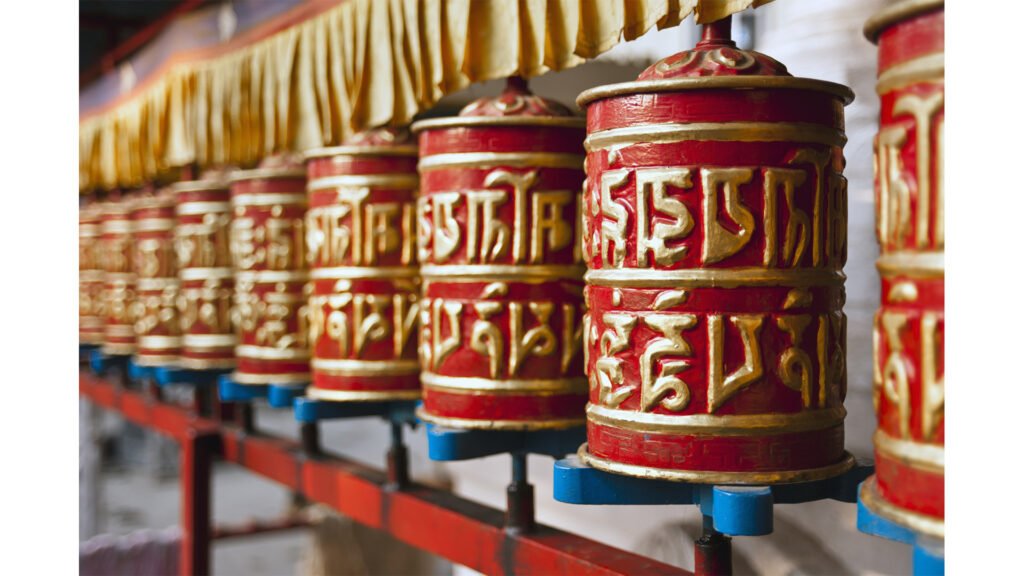
II. Cultural Currents: Prayer Beads and Chinese Integrity
Upon entering China, prayer beads merged with the nation’s cultural soil, absorbing scholarly elegance and national character.
Literati pursued reclusion within society, weaving Zen into poetry, painting—and their beads. Su Shi, the Song Dynasty polymath, faced political turmoil with unyielding optimism. Though no records confirm his bead use, his verse—”With bamboo staff and straw sandals, lighter than a horse—who fears? A straw cloak shields me through life’s misty rains”—resonates with the bead’s ethos: equanimity amid life’s storms. For scholars, beads became anchors for the soul, embodying the ideal to “cultivate oneself in adversity and serve the world in prosperity.”
Moreover, materials, bead counts, and designs reflect Chinese aesthetics and philosophy. Warm bodhi seeds symbolize awakening; solemn sandalwood represents dignity; translucent agate signifies auspiciousness. The 108-bead strand, the most common, denotes overcoming 108 earthly afflictions for mental purity . These details manifest traditional beliefs in “harmony between humanity and nature”and “auspicious symbolism.”
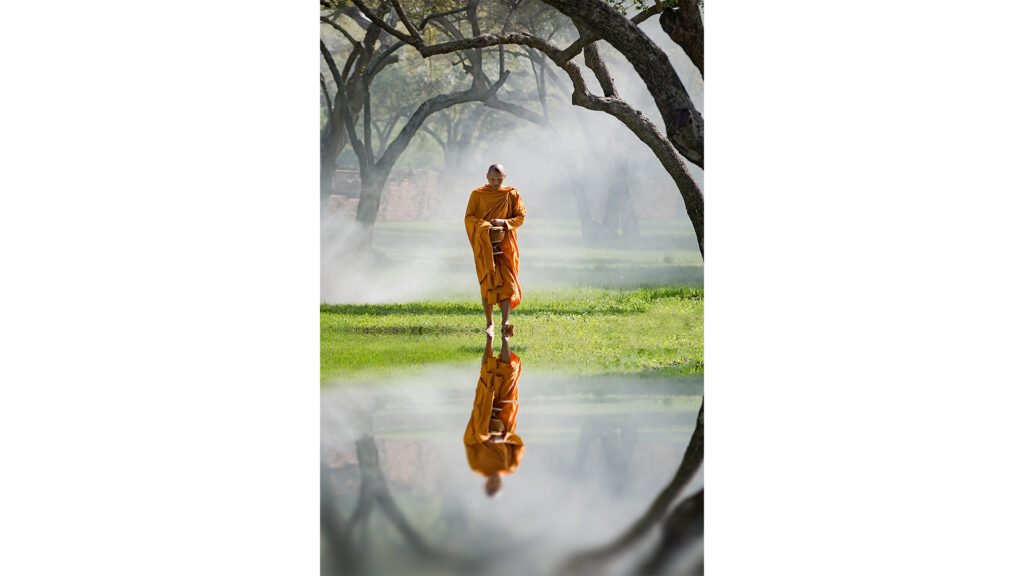
III. Elegance on the Wrist: Modern Roots and Spiritual Refuge
Today, prayer beads are no longer monastic exclusives. They have entered mainstream life as expressions of identity, emotional resonance, and inner peace.
In concrete jungles and information deluges, a strand of ancient beads connects us to cultural roots. It reminds us that material pursuits must not eclipse spiritual richness—a philosophy for wise living: equanimity toward gain and loss, compassion for all beings, and resilience against trials.
Many are first drawn to beads for their beauty, but through wearing and handling, they unconsciously absorb their calming power. Like a silent mentor, beads offer guidance in confusion and calm in turbulence. This subtle influence embodies cultural transmission’s magic. Choosing beads is choosing a lifestyle and a spiritual quest.
Conclusion
A strand of prayer beads, held in the palm, continues the Zen wisdom of millennia; fastened to the heart, it inherits China’s cultural legacy.Small yet vast, plain yet timeless—it carries Eastern philosophy, scholarly fortitude, and collective hope. In each bead’s turn, we see not just devotion but cultural sedimentation, literati integrity, and human yearning.
May we all find in these beads our own tranquility and strength, letting bodhi illuminate our paths and Chinese legacy nourish our spirits. As we move them again, may we feel the resonance of hand and heart, the dialogue of past and present—and the profound gift of cultural confidence and enduring character.