

Shopping cart (0)
Subtotal: $0.00
Spend $3,050.00 to get free shipping
Congratulations! You've got free shipping.
Gen Z Saves Century-Old Stores! 10 Million Pieces of 1980s Unsold Jewelry Go Viral—Is Fast Fashion Jewelry Falling Out of Favor?
When warehouse staff at Britain’s “Old Dynasty Jewelry” opened their dusty shelves, no one could have predicted that these 1980s pearl brooches and gold-plated bracelets—gathering dust for 40 years—would become viral hits on TikTok in 2025. This century-old store, once on the brink of collapse, achieved a stunning turnaround with 10 million pieces of “unsold inventory”: online orders surged by 300%, and long lines formed outside its physical stores. The driving force behind this miracle? Gen Z, the generation often labeled “rebellious.”
Vintage Comeback: From Warehouse Dust to Viral Hits
Old Dynasty Jewelry’s revival is nothing short of a “reverse-thinking textbook” for the jewelry industry. Founded in 1920, this heritage brand once struggled with a massive burden: piles of 1980s-90s jewelry in its warehouses, deemed outdated with low inventory turnover. By 2023, it even closed 3 stores due to rent pressures. The turning point came in 2024, during a TikTok live stream: a staff member picked up a 1985 rhinestone hairpin and shared its backstory as a prop from Friends. The video unexpectedly garnered 5 million views, driving sales of the same hairpin to over 10,000 pieces in a single day.
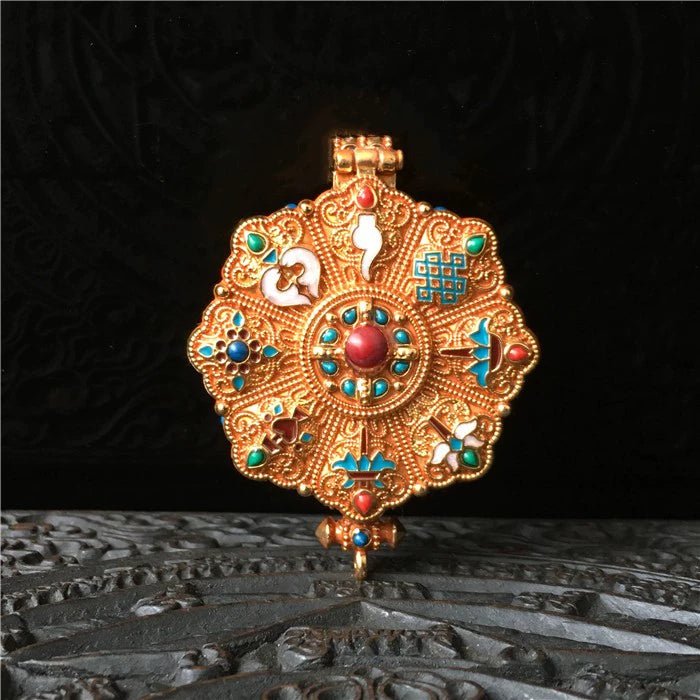

Today, its transformation strategy follows a clear roadmap:
- Storytelling Marketing: Each jewelry piece is labeled with its production year and design background. 1980s disco-style necklaces are marketed as “must-haves for retro parties,” while 1990s minimalist styles are promoted as “timeless office accessories”;
- Price Positioning: Priced between £3-25, it perfectly fits Gen Z’s budget—40%-60% cheaper than similar new items from fast fashion brands;
- Omnichannel Integration: It now has over 30,000 followers on Instagram, and the TikTok hashtag #VintageJewelryChallenge has amassed over 13 million views, directly converting online traffic into in-store footfall.
In stark contrast, fast fashion jewelry brands are facing a slump. Quarterly reports from brands like Primark show that 2025 jewelry sales dropped 18% year-over-year, while return rates rose to 25%. The main culprits? “Homogeneous designs” and “poor quality complaints”—consumers complain that fast fashion jewelry “fades after 3 wears,” and the social media hashtag #FastJewelryFail (documenting fast fashion jewelry disasters) has accumulated over 80 million impressions.
Gen Z’s Consumption Revolution: Three Logics Behind Anti-Fast Fashion
Why would Gen Z—born in the digital age—fall in love with jewelry from their parents’ era? In-depth analysis reveals this is no random nostalgia, but a deliberate revolution in consumption values.
Rejecting Duplicates: Scarcity Beats Mass-Produced Aesthetics
Gen Z’s pursuit of “uniqueness” borders on obsession. Surveys show 72% of young consumers say they “refuse to wear accessories that might be duplicated by others”—and vintage jewelry’s “one-of-a-kind” nature hits this pain point perfectly. Reviews from Old Dynasty Jewelry buyers frequently include comments like “No more worrying about matching someone else” and “My friends keep asking where I got this.” By contrast, fast fashion brands rely on standardized molds for efficiency; one fast fashion giant’s best-selling earrings even faced the awkward scenario of “1 in 10 peers wearing the same pair.”
Environmental Awakening: The Sustainability Code of Secondhand Consumption
As the most eco-conscious generation, Gen Z sees consumption as an expression of their values. Driven by them, the global secondhand accessories market has grown 46% in the past two years and is projected to reach $51 billion by 2025. They know the facts: the carbon footprint of a vintage jewelry piece is only 1/5 that of a new item, while the cheap alloy used in fast fashion jewelry oxidizes and becomes electronic waste within 6 months. Old Dynasty Jewelry capitalized on this by promoting the slogan “Buy less, choose vintage—wear sustainability,” successfully gaining endorsements from environmental organizations.
Cost-Efficiency Battle: £3 Joy vs. Disposable Consumption
Amid inflation, Gen Z’s spending has become more rational. They’ve crunched the numbers: a £20 vintage necklace can be worn for years, while a £15 fast fashion necklace lasts only 3 months on average—making the “per-wear cost” of vintage jewelry much lower. Among Old Dynasty Jewelry’s customers, 60% are students and young professionals; the £3-25 price range lets them enjoy a “affordable luxury experience” without overspending.
Market Restructuring: Survival Rules for the Vintage Track
Gen Z’s choices are reshaping the jewelry industry landscape. Statista data shows that in 2025, non-luxury segments will account for 76% of the global jewelry market, with vintage jewelry growing the fastest at 12% annually—far outpacing the overall market’s 4.46% average growth. Successful players in this transformation have seized three core principles:
Storytelling has become a new competitive edge. American brand Kramer dug up its history as a “1950s Dior supplier,” tripling the price of its inventory jewelry. Britain’s V&A Museum even launched a “Museum Replica Collection,” with each piece accompanied by a digital certificate detailing its design origins. These cases prove that jewelry’s emotional value is now surpassing its material value.
Online channels are a make-or-break factor. During Old Dynasty Jewelry’s critical transformation phase, TikTok live streams drove 70% of new customer acquisitions. Its secret lies in “immersive experiences”: staff show jewelry’s minor flaws, demonstrate how it looks when worn, and even teach consumers how to clean and maintain pieces. This “authenticity” is more convincing than the retouched images of fast fashion brands.
Fast fashion brands’ transformation dilemma. Facing pressure, some fast fashion brands have tried launching “vintage-style new products,” but lack of historical heritage and storytelling has led consumers to criticize them as “shallow imitations.” Industry insiders point out that true vintage consumption is not just about copying styles—it’s about embracing core values like “sustainability,” “storytelling,” and “anti-mass production”—a height the fast fashion model struggles to reach.
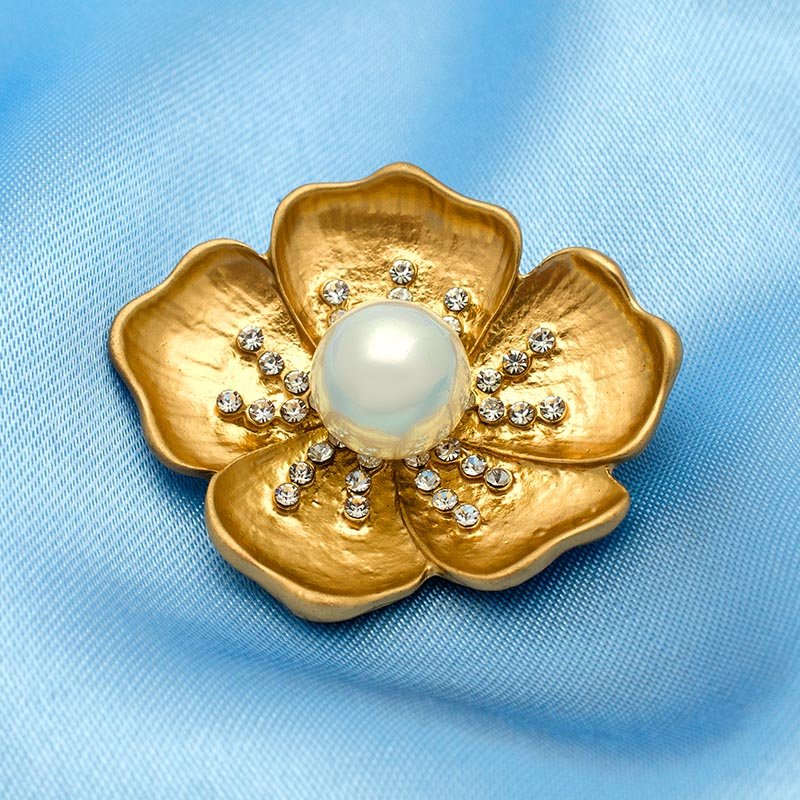
Conclusion: When a £3 Brooch Becomes a Lifestyle Statement
In Old Dynasty Jewelry’s London store, a prominent sign reads: “We don’t sell new items—only classics tested by time.” This sentence may sum up Gen Z’s consumption philosophy: they refuse to pay a premium for assembly-line products, yet are willing to invest emotion in a pre-loved item with a story.
As 10 million pieces of 1980s jewelry move from warehouses to city streets, and fast fashion brands start clearing unsold stock, the jewelry industry is undergoing more than a style shift—it’s a reconstruction of its value system. For consumers, choosing vintage jewelry is no longer just an aesthetic preference, but a vote for a sustainable lifestyle. For brands, the lesson of this revolution is clear: in an era of material abundance, the most precious things are never new—they are the emotional connections that stand the test of time.